Discovering the Necessary Applications and Uses of Light Weight Aluminum Factory in Modern Production
Light weight aluminum foundries play an essential role in modern manufacturing, serving varied industries with their unique homes. From auto parts that boost gas effectiveness to aerospace frameworks that prioritize weight, aluminum's adaptability appears. Its applications prolong to building and customer electronics, highlighting its sturdiness and power effectiveness. The technologies in light weight aluminum casting techniques and future patterns call for a closer assessment, as they might redefine its influence on production.
The Function of Aluminum Foundries in Automotive Manufacturing
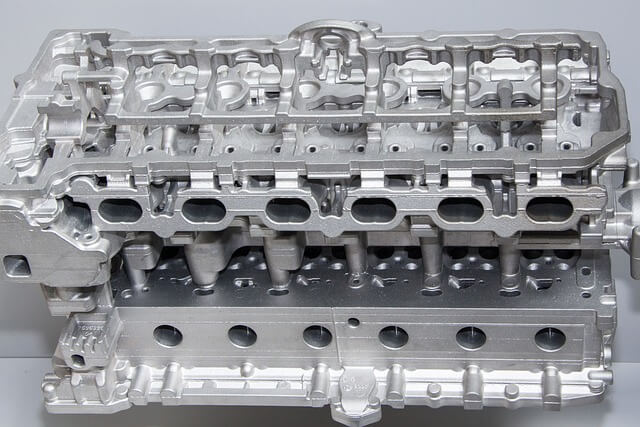
As the auto market increasingly focuses on light-weight products to improve fuel efficiency and efficiency, aluminum shops have become important factors to manufacturing procedures. These factories specialize in generating parts that fulfill the strict needs of modern-day lorries, such as engine blocks, transmission housings, and architectural aspects. Aluminum's positive homes-- such as high strength-to-weight proportion, deterioration resistance, and exceptional thermal conductivity-- make it an excellent choice for automobile applications.
In addition, aluminum factories make use of innovative casting strategies, consisting of die casting and sand casting, to develop intricate and long lasting components. This ability permits manufacturers to maximize styles for performance while minimizing weight. Making use of light weight aluminum likewise sustains sustainability goals, as it is highly recyclable and lowers power intake in lorries. By facilitating the combination of aluminum into automobile design, foundries play an essential role fit the future of the auto industry, advertising efficiency and advancement across the board.
Aerospace Applications: Lightweight Solutions for Trip
Aluminum factories play a considerable duty in the aerospace industry, where the demand for light-weight materials is vital for enhancing fuel performance and efficiency in aircraft. The special residential or commercial properties of light weight aluminum, including its high strength-to-weight proportion and rust resistance, make it an ideal option for different aerospace components. These elements include structural parts, engine coverings, and landing equipment, which add to overall aircraft efficiency.
The use of aluminum alloys, specifically those developed through innovative casting techniques, permits the manufacturing of intricate styles and intricate shapes while decreasing weight. Furthermore, aluminum's recyclability straightens with the aerospace industry's sustainability objectives, reducing ecological impact. With continuous advancements in aluminum factory innovations, makers can enhance production procedures, causing increased effectiveness and reduced costs. As the aerospace field increasingly prioritizes advancements that boost performance, light weight aluminum foundries will remain important to developing lightweight remedies for contemporary flight.
Building and Building: Enhancing Structural Integrity
In the structure and construction industry, a significant focus is positioned on enhancing architectural honesty via using light weight aluminum. Understood for its high strength-to-weight proportion, light weight aluminum supplies toughness without endangering on weight, which is critical in contemporary architectural styles. Its resistance to deterioration even more guarantees longevity, making it a suitable product for various structural elements, consisting of beam of lights, structures, and cladding.
Aluminum also helps with cutting-edge design possibilities, permitting designers and designers to develop cosmetically pleasing structures while preserving security standards. The product's adaptability allows its application in both household and industrial jobs, from skyscrapers to bridges. Furthermore, innovations in aluminum factory methods have enhanced the accuracy of light weight aluminum components, ensuring they satisfy rigid building ordinance. Generally, the integration of light weight aluminum in construction not just enhances architectural stability however likewise adds to lasting structure practices, offered its recyclability and energy-efficient production techniques.
Consumer Electronics: The Increase of Aluminum in Innovation
In the domain name of customer electronics, light weight aluminum has actually acquired prominence as a result of its light-weight layout benefits and superior thermal conductivity. This change not only enhances item portability however additionally improves gadget efficiency by properly dissipating warmth. As innovation continues to progress, the function of light weight aluminum in producing effective and sleek gadgets is increasingly significant.
Lightweight Design Benefits
As consumer electronics evolve, the demand for lightweight yet long lasting materials has risen, making light weight aluminum a progressively prominent option among suppliers. Its reduced thickness allows for the production of sleek devices that are very easy to carry and use, substantially enhancing mobility. The strength-to-weight ratio of aluminum guarantees that products can withstand day-to-day wear and tear without endangering efficiency. Furthermore, the malleability of light weight aluminum makes it possible for manufacturers to make complex forms and kinds, better adding to ingenious appearances and capability. This lightweight quality additionally plays a necessary function in power effectiveness, as lighter devices call for less energy to operate. Therefore, light weight aluminum not only meets the progressing visual needs but likewise straightens with the contemporary concentrate on sustainability in customer electronics.
Thermal Conductivity Advantages
Thermal conductivity is a vital element in the efficiency of consumer electronic devices, and aluminum excels in this domain name. Its high thermal conductivity permits efficient warmth dissipation, which is necessary for preserving optimal operating temperatures in devices such as smart devices, laptop computers, and video gaming consoles. By helping with quick warm move away from sensitive elements, aluminum aids protect against overheating, thus improving efficiency and extending tool longevity. The lightweight nature of aluminum enhances its thermal residential or commercial properties, making it an ideal choice for portable innovation. As suppliers progressively prioritize efficiency and power efficiency, aluminum's role in thermal management comes to be even a lot more significant, bring about its growing adoption in modern electronic designs. This trend emphasizes aluminum's significance in consumer electronic devices technology.
Marine Sector: Corrosion Resistance in Harsh Environments
Corrosion resistance is a crucial consider the marine industry, where devices and frameworks are consistently subjected to extreme saltwater atmospheres. Light weight aluminum, especially in its alloy forms, uses considerable advantages hereof. Its natural oxide layer provides a safety obstacle that protects against corrosion, making it optimal for vessels, docks, and various other marine applications.
Marine-grade aluminum alloys, such as 5083 and 6061, are specifically made to hold up against the harsh results of deep sea and atmospheric conditions. These alloys not just stand up to deterioration yet additionally keep architectural stability and stamina over time. Applications range from hulls and superstructures of ships to parts in overseas platforms.
The lightweight nature of light weight aluminum additional improves its viability, enabling improved gas performance and convenience of handling - Casting Foundry. As the aquatic sector remains to concentrate on toughness and performance, light weight aluminum continues to be a crucial product selection for withstanding rust sought after marine settings
Technologies in Aluminum Casting Techniques
While typical aluminum casting techniques have actually served the market well, recent innovations are transforming the landscape of aluminum production. Techniques such as 3D printing of molds and cores are obtaining grip, permitting quick prototyping and decreased preparations. This development allows suppliers to produce complex geometries that were formerly challenging to achieve with traditional spreading methods. Furthermore, developments in useful site die-casting modern technology, consisting of the use of high-pressure die-casting (HPDC), have actually enhanced the accuracy and surface area coating of cast aluminum parts, resulting in enhanced performance in numerous applications.
The adoption of investment spreading has enabled for higher style liberty and reduced product waste. Developments in alloy structures are additionally significant, as they boost mechanical buildings and deterioration resistance. Generally, these advancements not just enhance production procedures yet likewise contribute to more sustainable methods within the aluminum factory industry, making it adaptable to the evolving demands of modern manufacturing
Future Fads in Aluminum Foundry Manufacturing
The future of light weight aluminum shop production is poised for considerable change with automation, boosting efficiency and accuracy in producing procedures. Lasting techniques are increasingly coming to be a top priority, as shops seek to decrease their environmental influence while meeting expanding regulative demands. Furthermore, advancements in alloy development will certainly make it possible for the development of stronger, lighter materials tailored for varied applications, driving technology in the industry.
Automation in Factory Processes

Lasting Manufacturing Practices
A growing focus on sustainable manufacturing practices is improving the future of aluminum factory manufacturing. Industry leaders are significantly adopting energy-efficient innovations and reusing efforts to decrease waste and minimize carbon impacts. Using recycled light weight aluminum substantially reduces energy consumption compared to primary light weight aluminum manufacturing, making it a favored choice for ecologically mindful producers. On top of that, ingenious spreading methods are being created to enhance product effectiveness and minimize exhausts. Companies are also investing in renewable energy resources, such as solar and wind, to power their procedures sustainably. Aluminum Casting. By integrating these practices, the aluminum shop market not only fulfills governing needs yet likewise responds to customer demand for greener items, eventually leading the method for an extra lasting manufacturing landscape
Advanced Alloy Advancement
Developments in light weight aluminum alloy advancement are readied to play a significant role in the future of factory manufacturing, specifically as sustainability and efficiency demands escalate. The industry is increasingly concentrating on creating high-strength, light-weight alloys that can endure extreme conditions while minimizing ecological effect. Scientists are exploring ingenious make-ups, such see this here as aluminum-lithium and aluminum-scandium alloys, navigate to this site which guarantee enhanced mechanical residential or commercial properties and minimized weight. In addition, the assimilation of advanced production methods, including additive manufacturing and accuracy spreading, enables even more complicated geometries and reduced product waste. As governing pressures and customer preferences change towards greener alternatives, the development of energy-efficient and recyclable alloys will be necessary. The future landscape of light weight aluminum factory production depends upon these improvements in alloy innovation.
Regularly Asked Inquiries
What Are the Ecological Impacts of Aluminum Shop Procedures?
Aluminum shop operations can lead to significant environmental influences, consisting of greenhouse gas discharges, energy usage, and waste generation. In addition, inappropriate monitoring of contaminants may cause dirt and water contamination, influencing local communities and neighborhoods.
Just How Does Aluminum Recycling Affect Factory Processes?
Aluminum reusing boosts shop processes by giving an economical basic material, minimizing power usage and exhausts. This sustainable practice boosts effectiveness, reduces waste, and sustains the round economic situation, benefiting both suppliers and the atmosphere.
What Precaution Are Executed in Aluminum Foundries?
Aluminum shops carry out different security steps, including personal protective tools, appropriate air flow systems, normal safety training, fire prevention procedures, and devices upkeep procedures to lessen risks and guarantee a risk-free workplace for all staff members.
How Do Foundries Ensure Top Quality Control in Aluminum Spreading?
Shops assure quality control in aluminum spreading via extensive product evaluations, exact temperature level tracking, standardized procedures, and normal screening of actors items. These measures assist keep consistency, decrease flaws, and fulfill sector specifications efficiently.
What Are the Price Factors in Aluminum Foundry Production?
Price consider aluminum factory manufacturing include basic material prices, power consumption, labor costs, equipment upkeep, and overhead expenses. In addition, production volume and complexity of layouts considerably affect overall production costs and productivity.
As the vehicle sector progressively prioritizes light-weight materials to boost gas effectiveness and efficiency, light weight aluminum foundries have actually ended up being vital contributors to making processes. Light weight aluminum foundries play a significant function in the aerospace industry, where the need for lightweight materials is vital for enhancing gas effectiveness and performance in aircraft. Additionally, improvements in light weight aluminum foundry strategies have actually boosted the accuracy of aluminum elements, guaranteeing they fulfill stringent building codes. While typical light weight aluminum spreading techniques have actually offered the sector well, recent technologies are transforming the landscape of aluminum production. The use of recycled light weight aluminum significantly lowers energy consumption contrasted to main aluminum manufacturing, making it a recommended option for eco conscious suppliers.